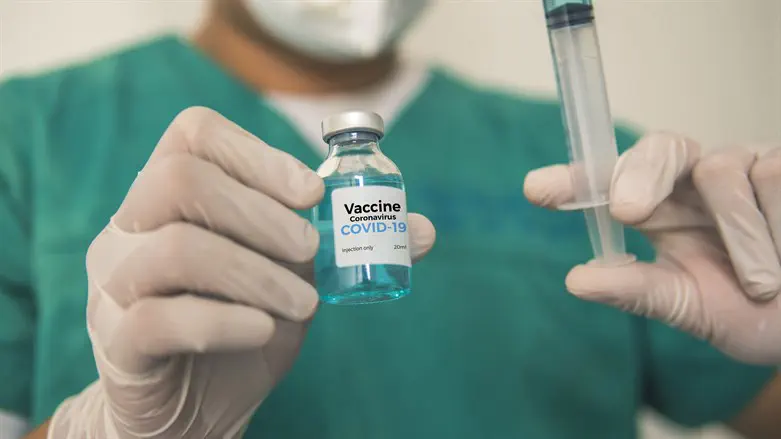
You are right: "We will never fully know the differences between life with vaccinations versus no vaccinations for Covid."One of the best things about Covid-19 is that most of the population participated in, and the Government wasn’t allowed to completely delay (like they do with most medical research as regulators) a vaccination program. We will never fully know the differences between life with vaccinations versus no vaccinations for Covid. My personal opinion is that they prolonged a great number of lives. If others disagree, their opinions should not be silenced.
No one gives a shit now if the Russian Flu killed off 0.2 or 0.5 percent of the population. And a hundred years from now no one will give a shit if Covid 19 killed off 0.2 or 0.4 percent of the population.
And God be blessed for that. What we do know is most of the older ones 60+, immuno-compromised and others with immunity debilitating conditions would just be dead or severely ill.
Of course, it is an evidence, they prolonged a great number of lives. We are still in the pandemic with new more contagious variants emerging despite a high but not sufficient numbers of fully vaccinated (VF) people. With what we know now 2 doses and at least 1 booster shot should be considered for being qualified VF for general population and 2 booster shots for the 60+. Even with the vaccination it is obvious there was and there is an over-mortality and it is not over.
From the moment of our conception we are programmed to die. It is not a reason to accept evitable death.
If you are serious about this subject read on the telomeres. Telomeres get shorter each time a cell copies itself, but the important DNA stays intact. Eventually, telomeres get too short to do their job, causing our cells to age and stop functioning properly. Therefore, telomeres act as the aging clock in every cell.
About "nobody giving a shit now" about past deadly events, intelligent, wise and smart peoples care. From the past we can learn and prepare a better future. The quality of life we have now is because others before us learned and worked hard to discover the causes of diseases and developed drugs and antibiotics mainly. Of course it is easier to do nothing and complain. All that we learned and did against Sars-CoV-2 will surely also help to prevent deadliest virus in the future. This mRNA vaccine technology is simply a break-through in the science history.